

Historic Basketball Clashes Between Indonesia and the Philippines: Memorable Matches and Rivalries
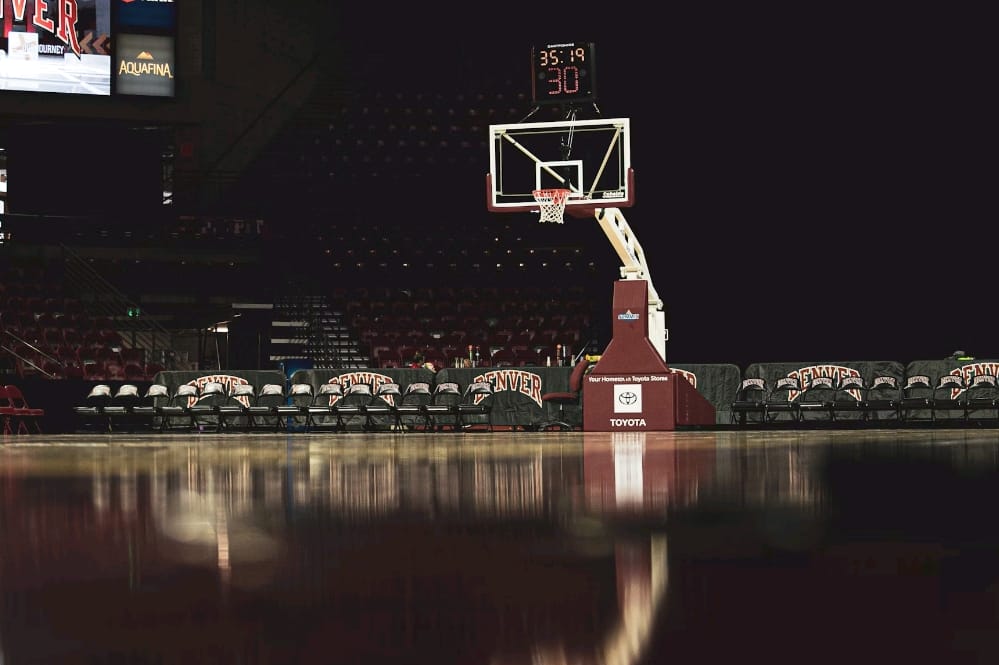
Suara Kalbar – Basketball rivalries are very strong between Indonesia and the Philippines, especially because one country has long dominated while the other is emerging with new talent and ambition. Encounters from the SEA Games to FIBA qualifiers have shaped culture, inspired players, and built a shared basketball story across both countries. More than just scores on a board, this rivalry speaks volumes about resilience, pride, and evolution.
Foundations of a Regional Rivalry
For decades, the Philippines stood as the powerhouse of Southeast Asian basketball – a nation where courts sit in every barangay and generations grow up idolizing Gilas stars. Indonesia took a different path, developing more slowly through domestic leagues and gradually investing in national team infrastructure.
Their matchups through the late 1990s and early 2000s were often one-sided, but Indonesia’s persistent development set the stage for a future shift. By the 2010s, Indonesian basketball carried stronger systems, better coaching, and a new wave of athletic talent. This evolution made every game against the Philippines more competitive and more symbolic.
The 2019 SEA Games: A Semifinal That Set Expectations
The Philippines and Indonesia met in the 2019 SEA Games semifinal, not the final – a correction essential to the rivalry’s timeline. The Philippines won 97–70, powered by veterans like Japeth Aguilar, who brought leadership and experience to the roster.
This semifinal performance sent the Philippines into the gold-medal game, where they defeated Thailand 115–81. Indonesia, despite the semifinal loss, showed signs of a more structured, focused program. That Manila semifinal became an early indicator that Indonesia was beginning to strengthen its foundation.
The passion from both fanbases made these matches feel bigger than tournament rounds – they were snapshots of regional identity.
FIBA Asia Cup Qualifiers: A Measured Fight for Progress
Their next meaningful clashes came during the 2020 and 2021 FIBA Asia Cup qualifiers. These were not balanced encounters, but they were important markers of growth.
The Philippines defeated Indonesia 100–70 in Jakarta (February 2020) and later 76–51 in Pampanga (June 2021). These wins reflected the depth of the Filipino program, but they also pushed Indonesia to refine its roster and naturalized center strategy.
This stretch introduced fans to a rivalry seen through a broader continental lens – SEA Games pride blending with FIBA competition standards.
The 2022 SEA Games Shock: A Decider That Changed History
The most dramatic moment came in Hanoi, May 2022, where the men’s basketball tournament, using a round-robin format instead of a playoff bracket, had its final day as a de facto gold-medal decider. Indonesia stunned the region with an 85-81 victory, ending the Philippines’ decades-long gold streak. Indonesia played disciplined basketball, featuring Marques Bolden, Brandon Jawato, and Derrick Michael Xzavierro. Leaders like Kiefer Ravena and June Mar Fajardo fought hard for the Philippines, but Indonesia’s upset marked one of Southeast Asia’s biggest basketball shocks. This moment rewrote the rivalry’s dynamics and remains a debated chapter for fans.
Community Engagement and Regional Pride
Beyond the tournament floors, the rivalry holds cultural significance. Filipino barangay leagues often hold matches tied to regional events, while Indonesian cities like Jakarta and Surabaya host youth tournaments that reflect the spirit of the SEA Games. Teams from both countries run training camps, school outreach, and charity games, fostering skills and confidence among young athletes. These grassroots efforts make the rivalry tangible: when kids watch PH–INA highlights, they see more than scores – they see a future path.
Digital Fandom and Online Sports Culture
Modern fans interact with the rivalry differently. They follow match updates through livestreams, tune into highlights on TikTok, argue in real time on Twitter, and watch full-game breakdowns on YouTube.
During major matchups, fans add a playful competitive layer. Many join friendly prediction games or small wagering pools through tools like betting site, treating the experience as a fun extension of their sports routine rather than something heavy.
This digital behavior blends community energy with the immediacy of online participation, making every PH–INA game feel like a shared event across borders.
Players Who Shaped the Story
Certain players made this rivalry what it is:
- Philippines (2019–2022 era):
Japeth Aguilar (2019), Kiefer Ravena (2022), June Mar Fajardo (2022) - Indonesia:
Brandon Jawato, Derrick Michael Xzavierro, Marques Bolden (key to the 2022 upset)
Each matchup becomes a meeting of different basketball cultures – Filipino pace and creativity against Indonesia’s emergent structure and rising athleticism. These players gave tournaments personality and urgency, making the rivalry richer and more memorable.
How Fans Keep the Rivalry Alive
Fan culture surrounding PH–INA clashes thrives on connection. Families gather for big games, OFWs stream matches from abroad, and online communities break down every run and defensive adjustment.
During watch parties, some fans introduce small interactive elements, such as basketball betting, turning major games into group rituals full of debates, predictions, and celebrations.
This isn’t about high stakes – it’s about heightening shared excitement and keeping the rivalry emotionally charged.
A Digital Path Into the Future
As 2026 approaches, both Indonesia and the Philippines continue investing in youth development, stronger leagues, and coaching systems. The rivalry naturally evolves with technology. Fans join virtual discussions, track roster updates instantly, and follow competitions through mobile platforms. Some Filipinos and Indonesians who enjoy interactive sports engagement now explore prediction platforms through tools like MelBet registration, treating them as part of their digital sports routine.
This expanding online layer ensures that the rivalry will stay alive in new forms – faster, more connected, and more communal.
Every season, this rivalry gets added meaning. Young fans watch highlights on their phones; old supporters share stories and both nations use every meeting to check how far they have come against each other. What used to be a regional battle has now become a shared custom between the two countries, one that will keep changing as long as players give maximum effort and people care whether it happens or not! There are new heroes down the road, surprises ahead but most importantly -the same intense pride that made Indonesia-Philippines basketball remembered.
Artikel Terkait